Being a(n over-educated) peasant struggling to find enough natural habitat to survive in undisturbed by the ravages of capitalism, I have naturally always been concerned about our impact on the living world, for its sake as well as mine. I’m increasingly concluding that the way of life I’ve always aspired to – self-sufficiency – is the best response to our modern crisis, since I understand that crisis as biosphere breakdown caused by too many industrialists.
The problem is that industrialism requires, creates and maintains – and then requires, creates and maintains, in an exponentially-ever-hungrier vicious circle – more industrialists than this planet can sustain. Such is the dynamic of capitalism, which some argue began with the advent of agriculture (the first land enclosure) in the no-longer-fertile crescent some 12,000 years ago, and which can be understood as being locked in place now by our modern debt-based monetary system. (Unless this gives way to positive monetary systems, we’re screwed. A tech-fix is like an arms race: ever escalating, and at best, replacing biological life with electronic life. Is there any more horrifying prospect than that?)
And, having multiplied even after our lands have been grabbed from us, we cannot now all go back to the land, as revolutionary Mark Boyle points out. (His book, ‘The Way Home; tales from a life without technology’, is the most beautiful solace and solution I have ever read – the one of which I’ve always dreamed – if, devastatingly, not possible for all of us, and pretty damn hard for most of us.)
So in 2014, on the brink of making a leap out of the rat race in which even the lovely Higher Education races to the bottom in the ever-tightening capitalist squeeze, I designed a business that would help sustain a smallholding life. As my regular readers will know, paradoxically I had to fly from the rental smallholding-on-which-I-was-not-smallholding in order to cut my living costs to get a labour-intensive smallholding-friendly business off the ground. Even seven years on this business would still not afford me a rental smallholding, let alone one of my own, nor leave any leftover time/energy for the full-time job of smallholding. (No surprises there: everyone has always said that, at the very least, you have to own your own land outright – and presumably occupy the whole family on it.)
So, broadly speaking, the obvious conclusion is that in general one EITHER spends one’s time on direct survival (foraging, hunting, growing, cooking, making and heating one’s home) OR on earning money to pay other people to do this for you so that you barely get to enjoy your home and completely forget how to survive, living a longer, less healthy life on the back of others’ industrial labour. And their industrial labour is a very far cry from the wholesome foraging, hunting, growing, cooking, making and heating of old, isn’t it.
Says Boyle: ‘yes, it’s important not to romanticise the past, but be [bloody] careful not to romanticise the future, either.’ Or the present, I would add. Being electrohypersensitive, my kind would be the first to die off in an AI future. I’m pretty sure I know which kind of era you, my readers, would more readily accept, tackle, and thrive in, too.
And there isn’t time or energy in the day for both direct-survival and business-as-means-of-survival, on the whole. Not for one person, and not if you want to do them both well, i.e. sustainably. Sustainability in my world requires doing things yourself, slowly, by hand. In production, as in education, healthcare and other sectors I’m sure, economies of scale are too often economies of ethics.
So I’m facing, as ever, and as we all are, really big life questions that threaten the future of my business, my home and my very existence. I don’t yet know what I’ll do, but since I’ve been facing these things for years and finding creative workarounds, I will probably continue these crazy contortions and you will still be hearing from me yetawhile.
Meantime, drop in the ocean though my micro-business is, I’ve drawn up a chart for more accountability regarding its sustainability, and scored myself on my different products, including drawing a generic comparison with the products of both larger, ethically-minded businesses and much larger, mainstream corporations. It’s broad brush, but I hope it is both informative and thought-provoking nonetheless. Textiles is a foul industry, on the whole, and fashion is the third most polluting after oil and agriculture.
Greater sustainability is always possible in theory, but, depending on how you weight the environmental and social factors (which in turn depends on your subjective understanding of capitalism – and even of life and death, come to that!), These Isles is fairly high-scoring, as you’d expect. See what you think on my new ‘Sustainability’ page.
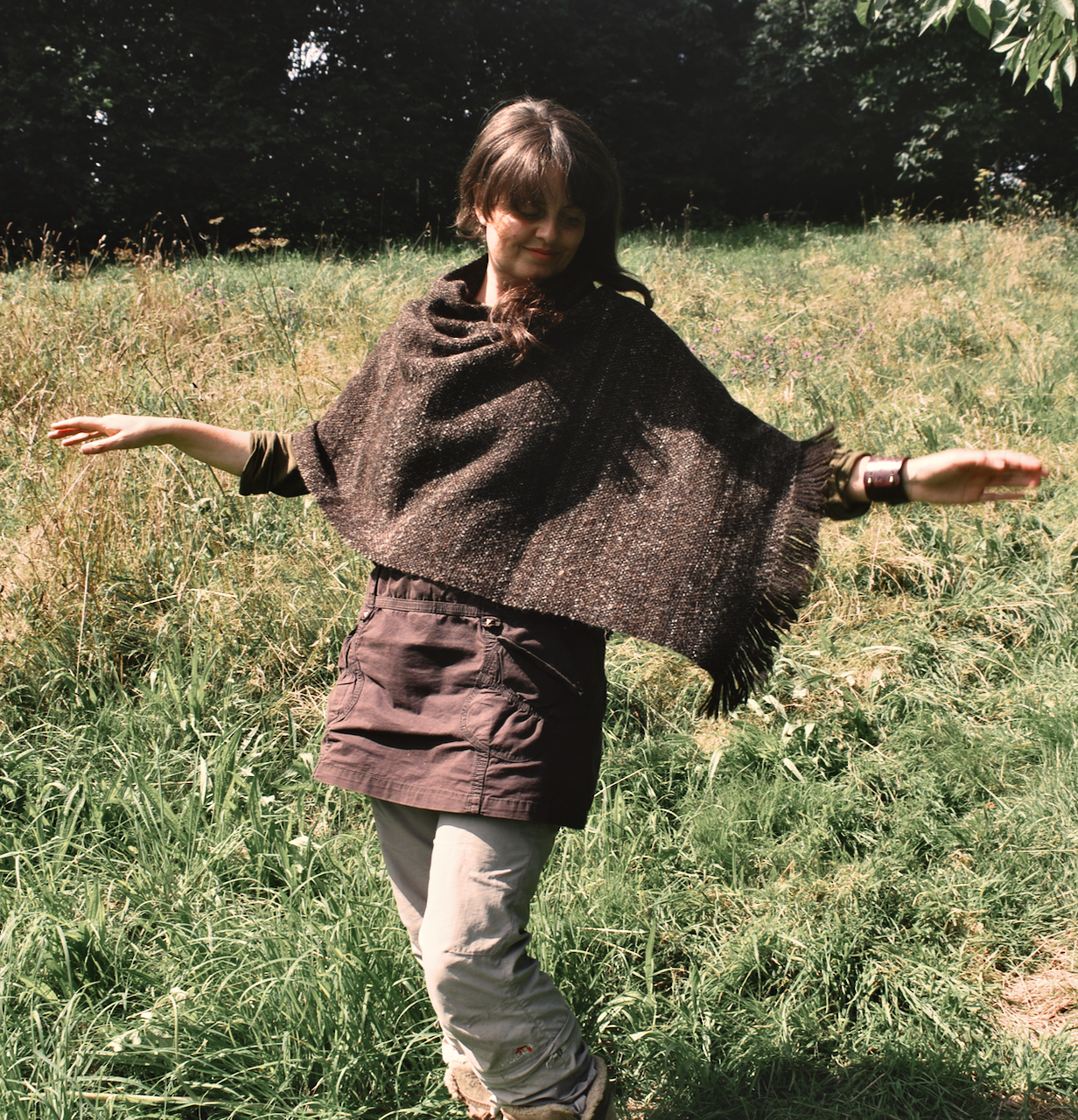
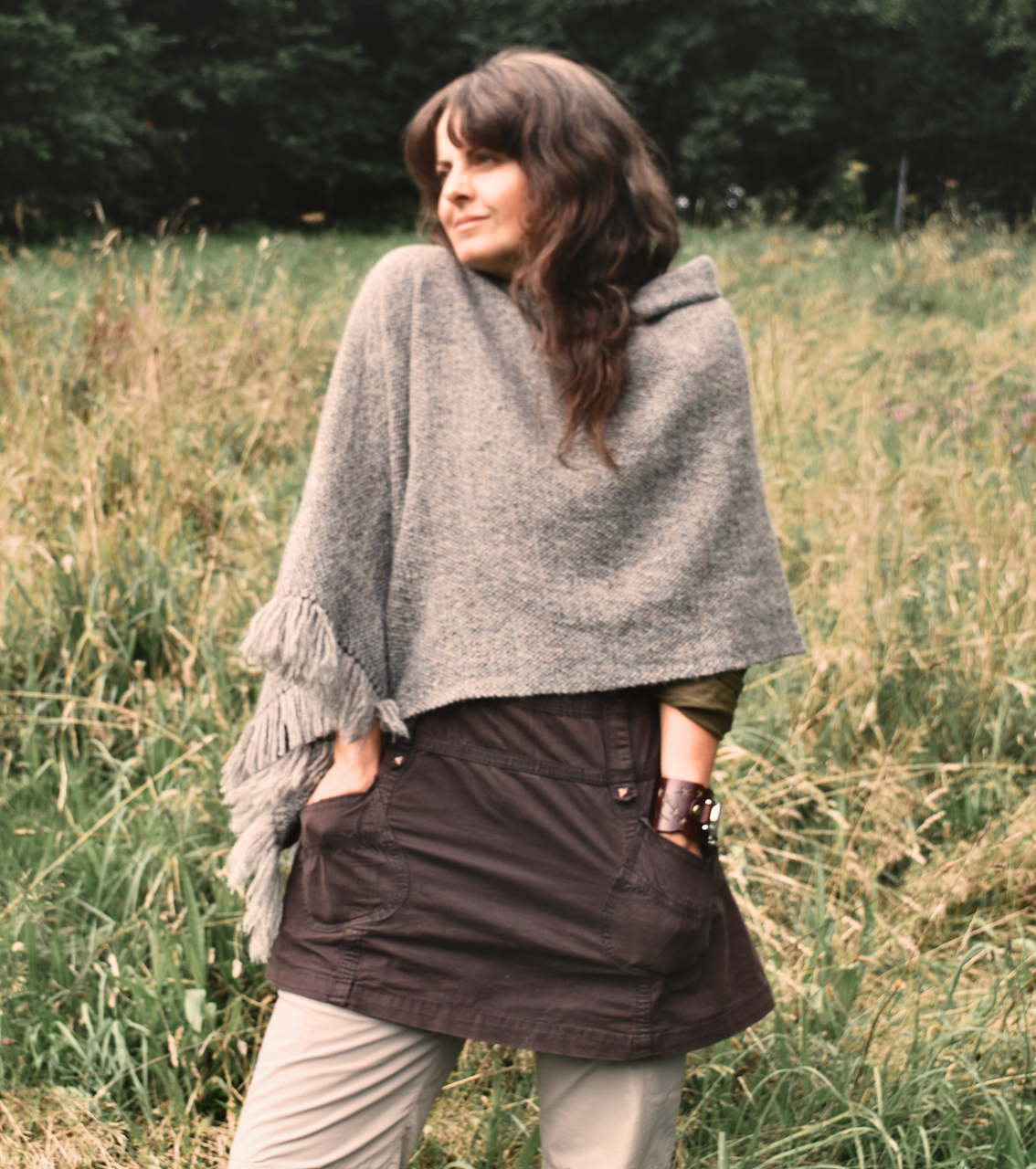
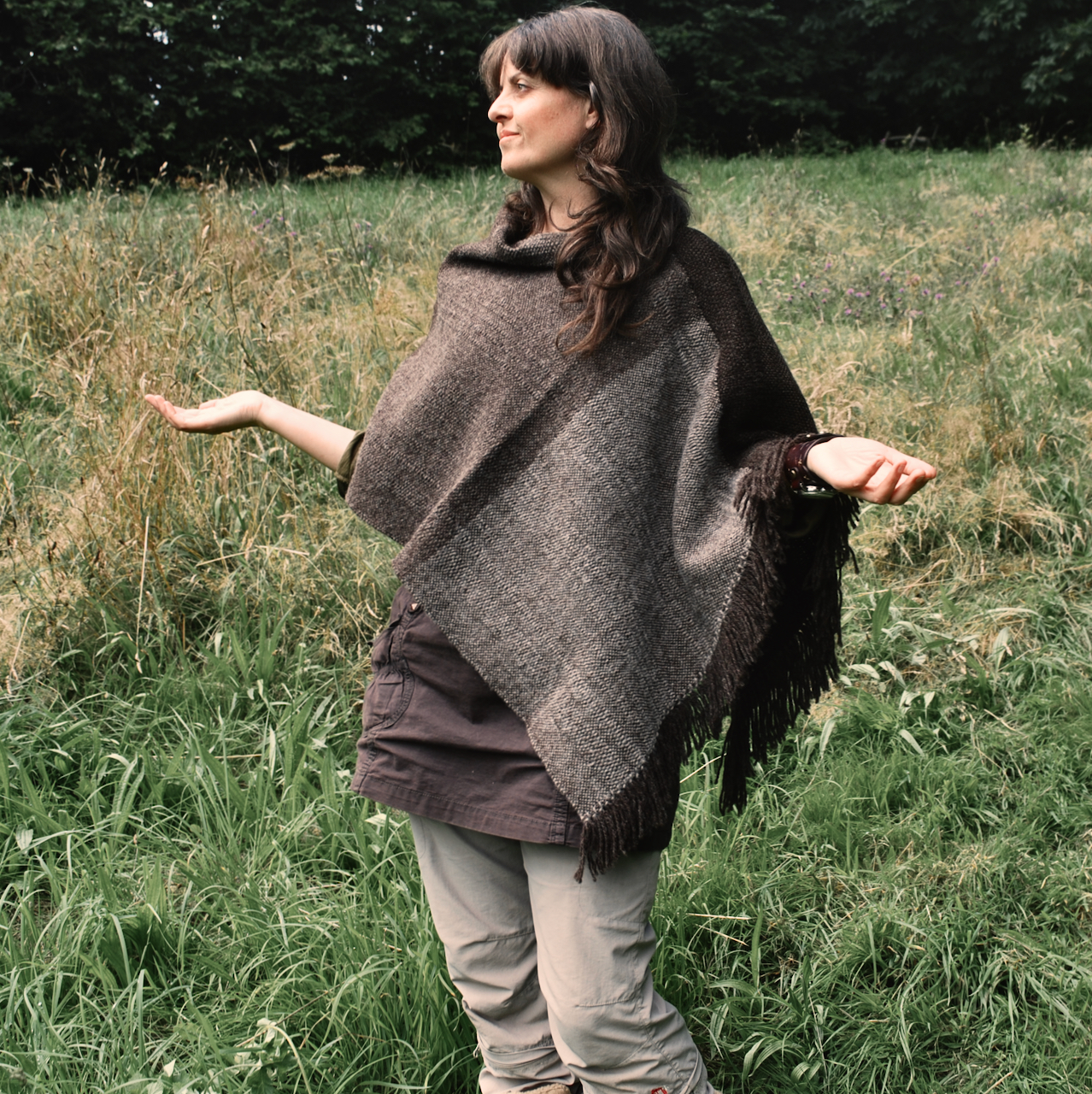
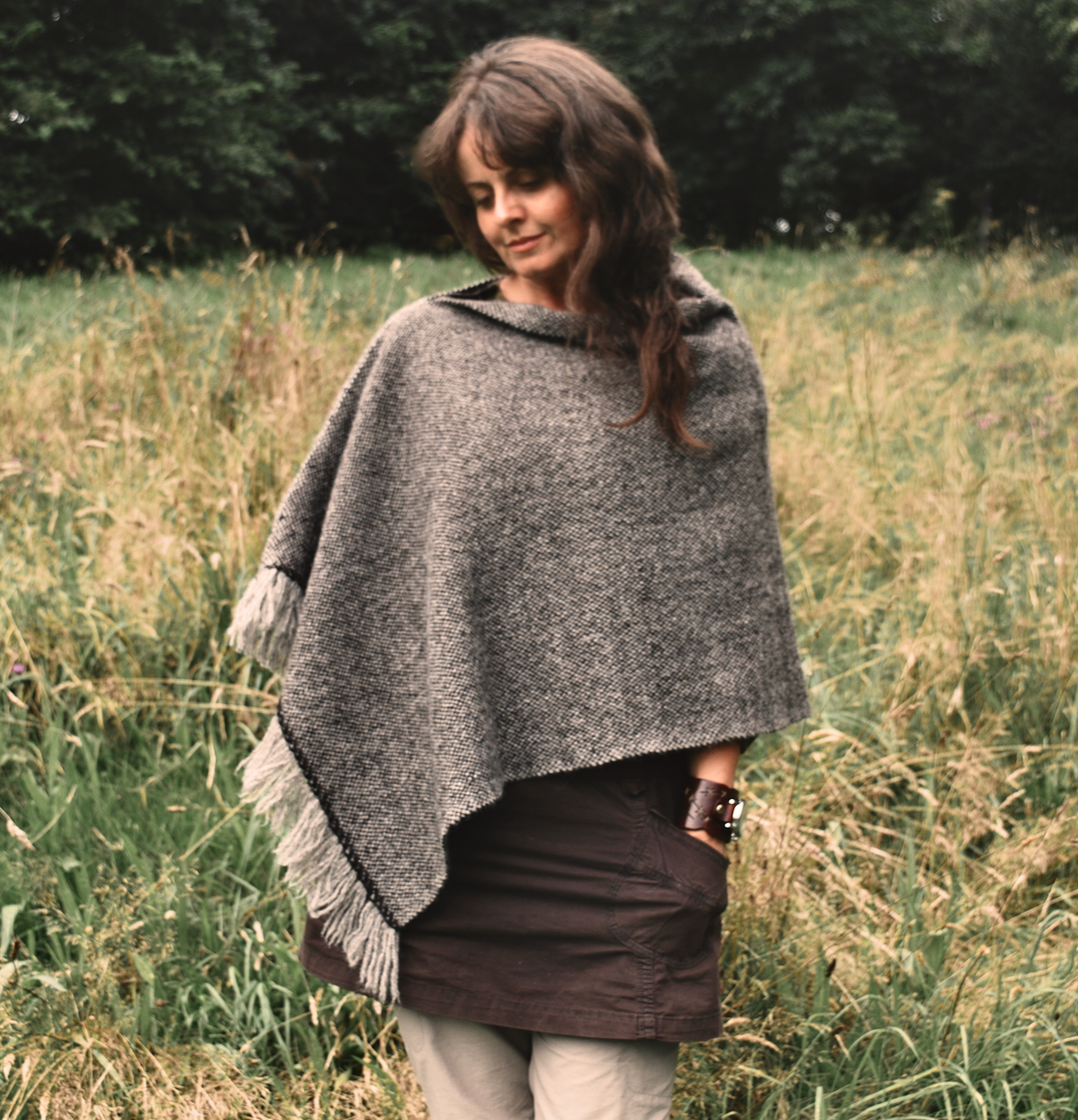
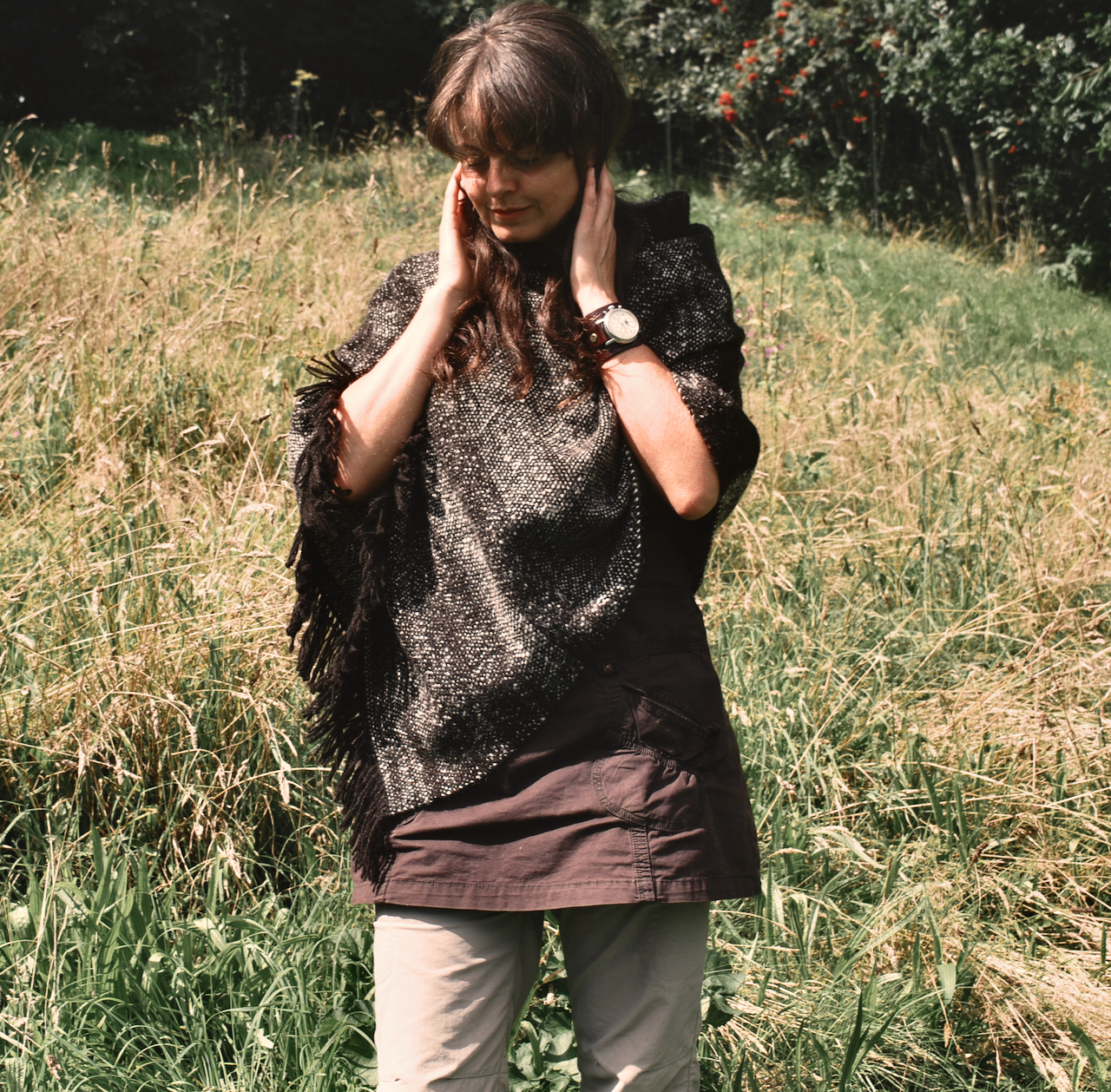
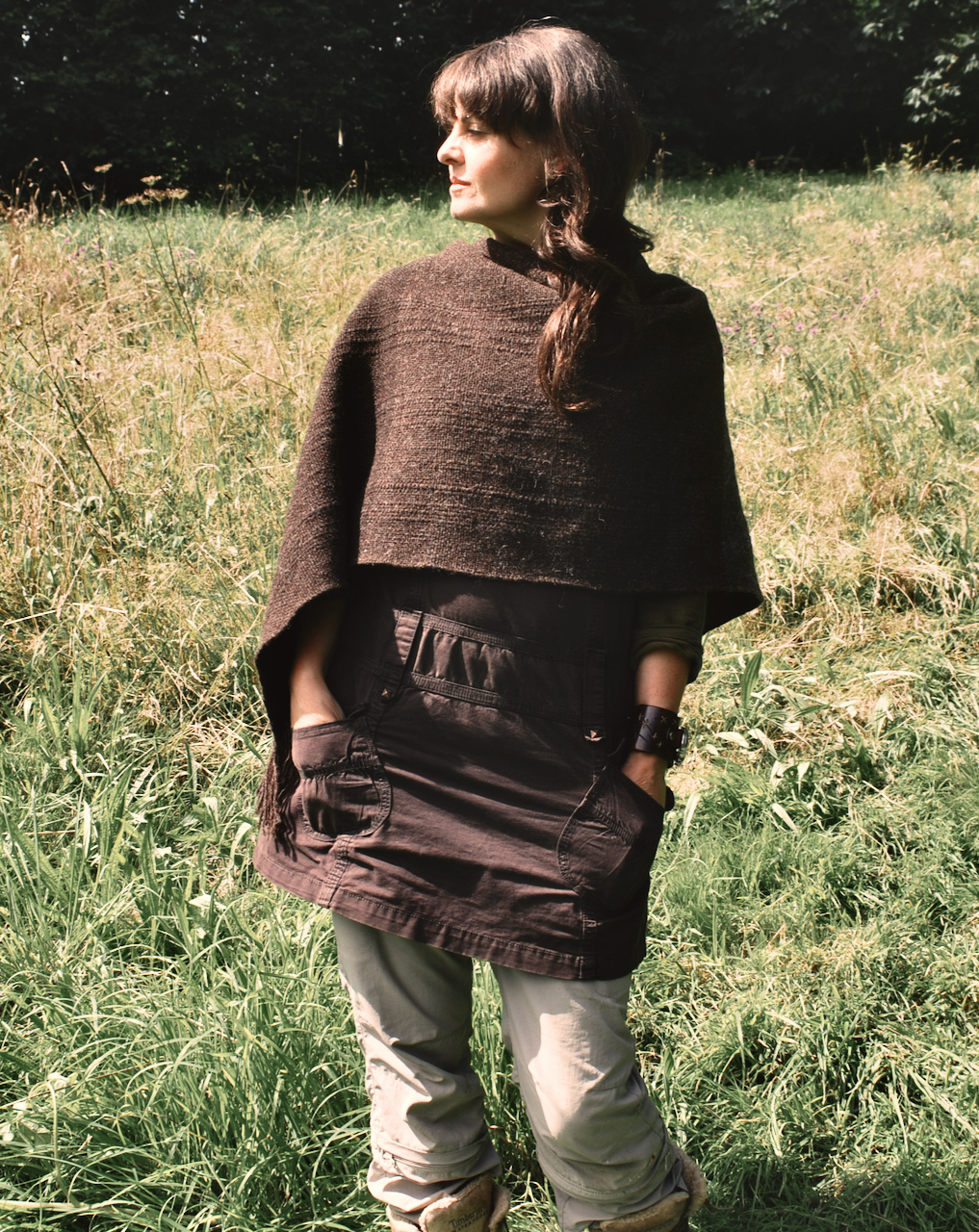
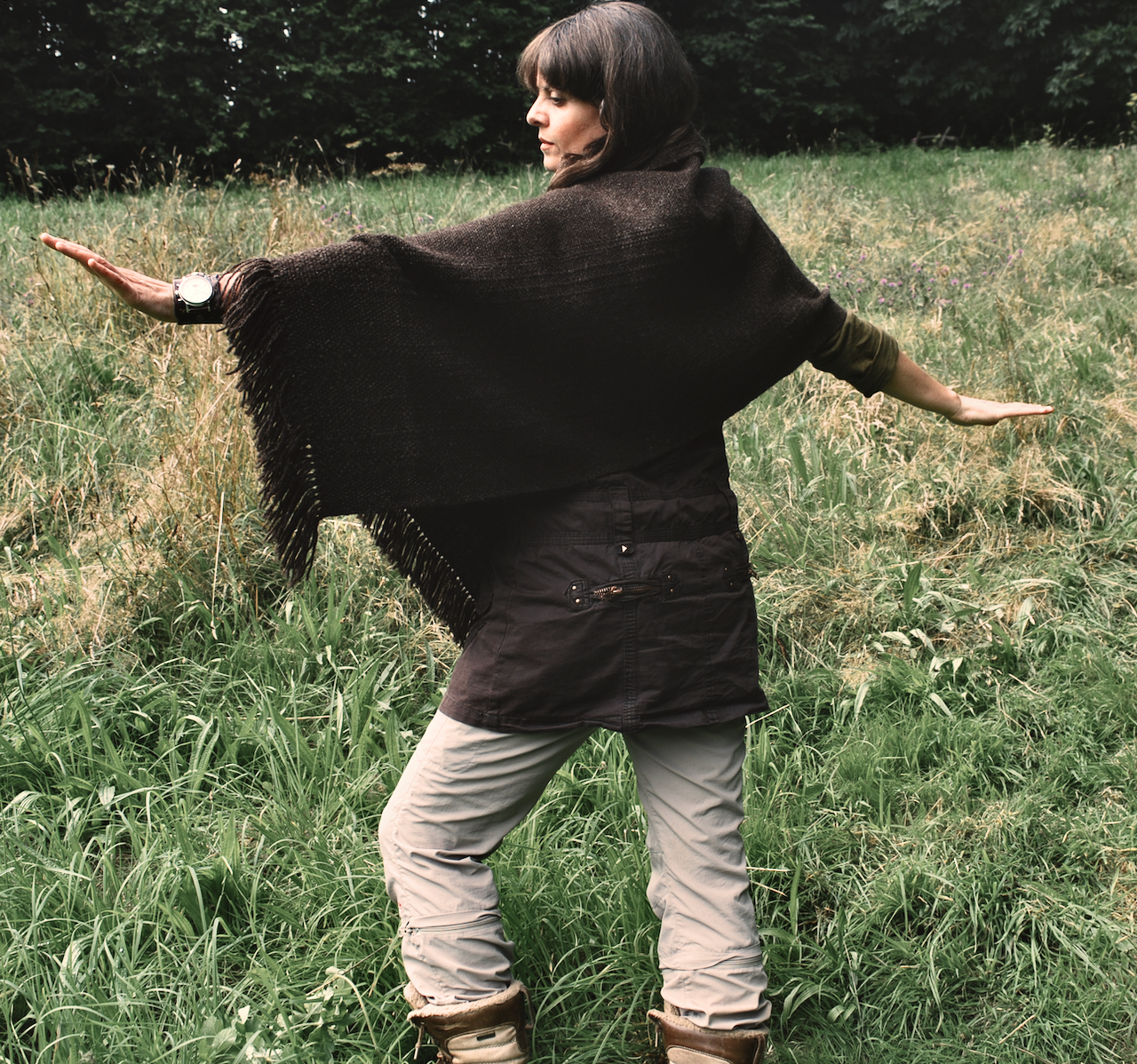
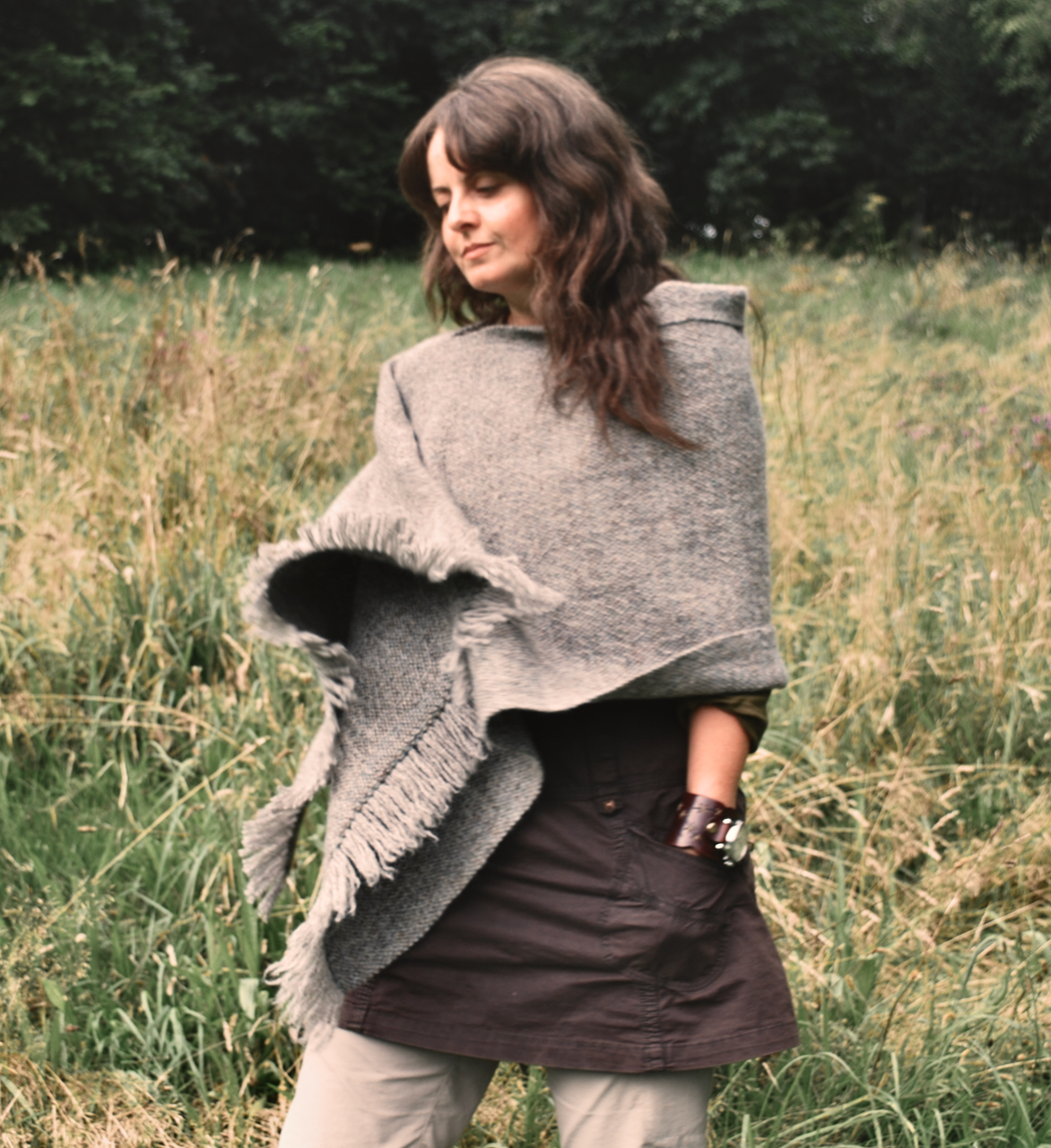
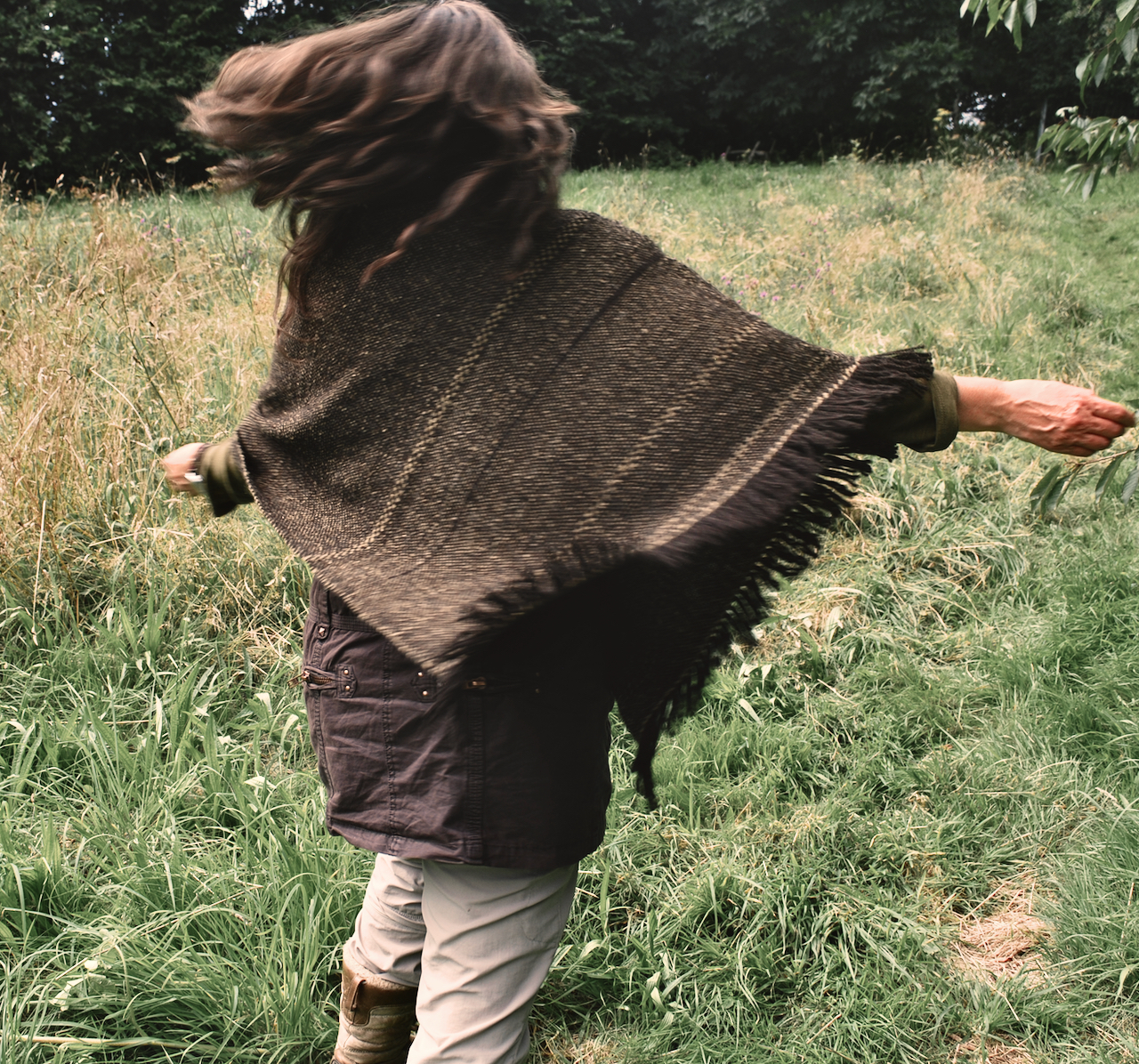
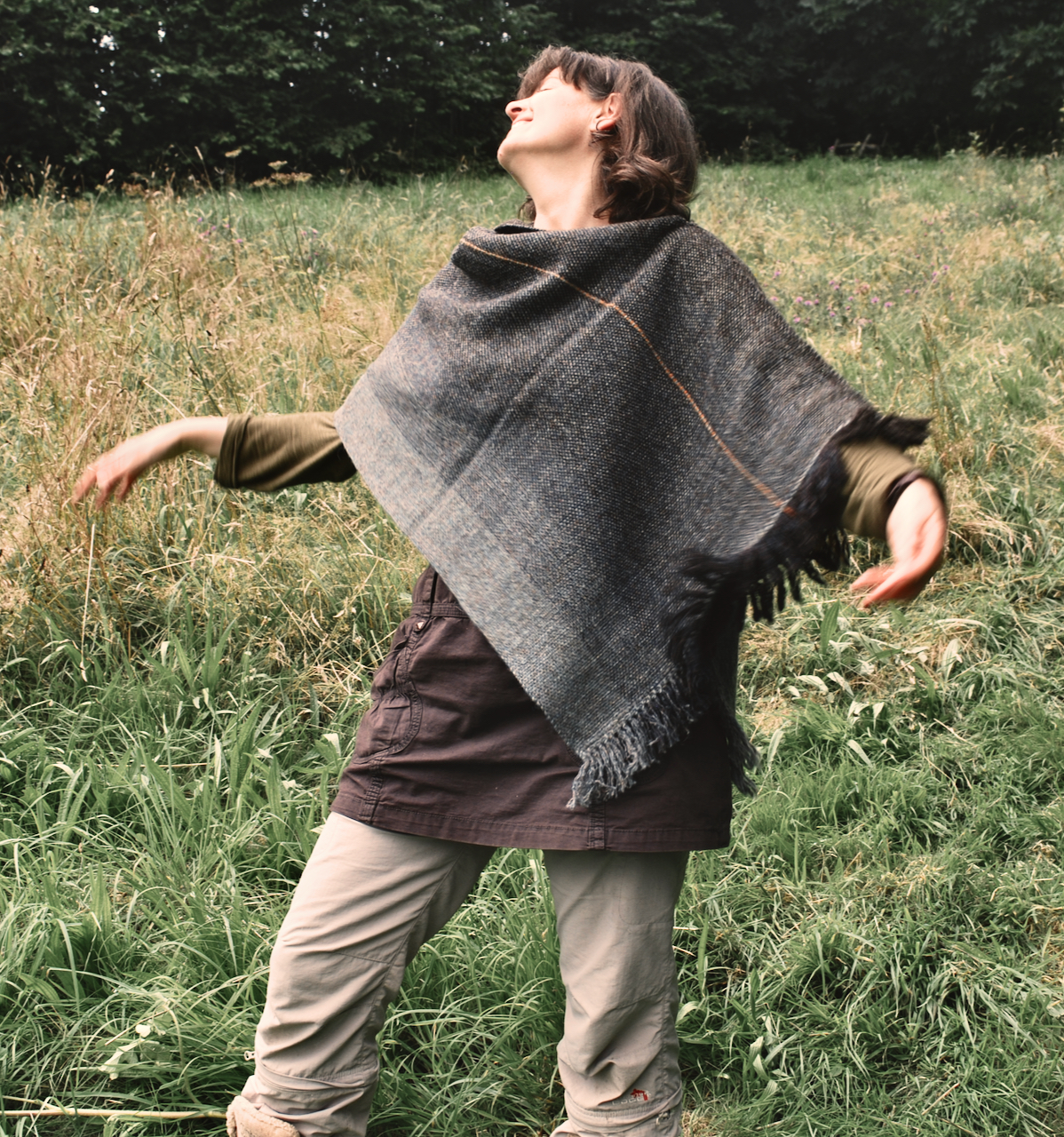
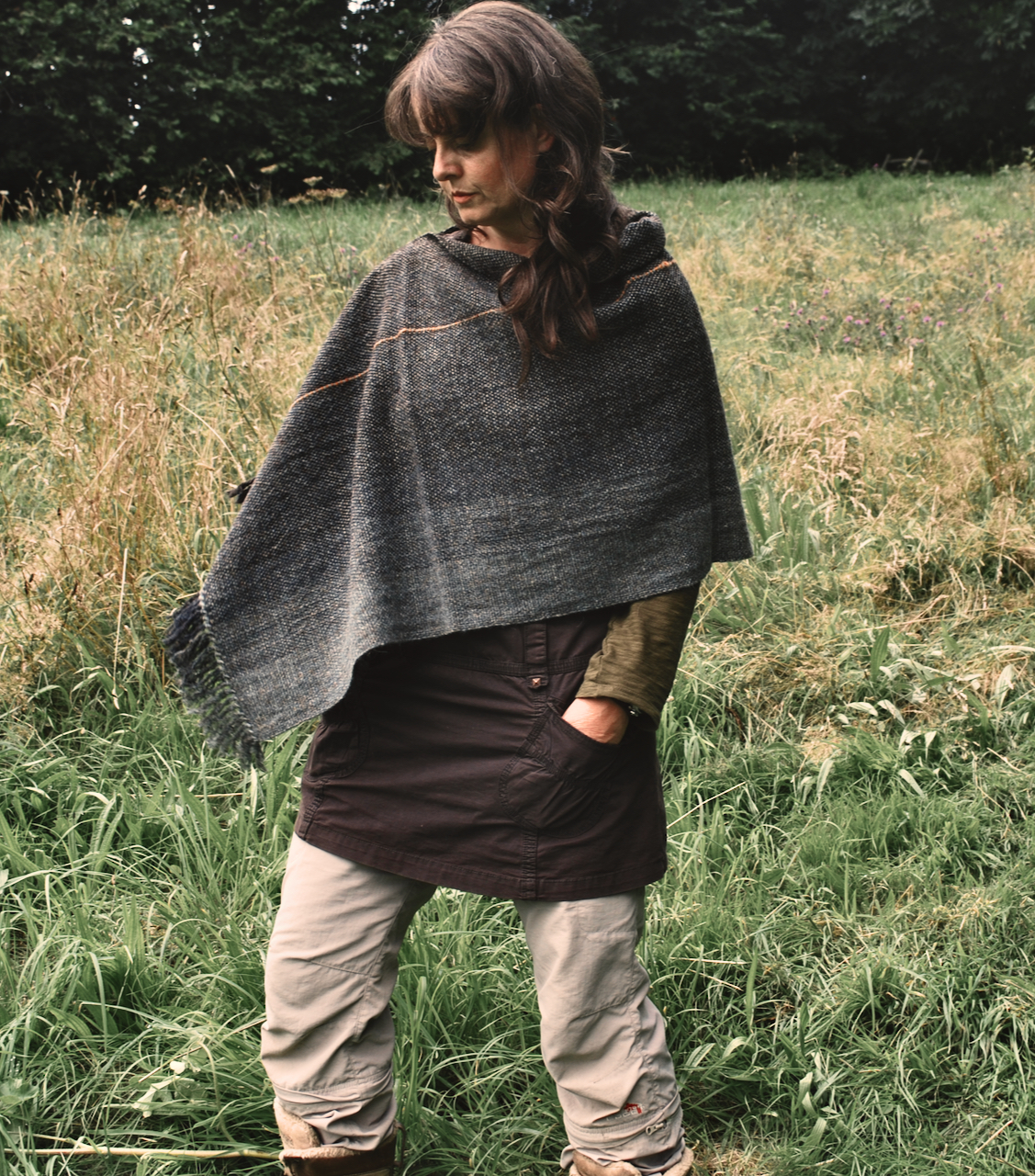
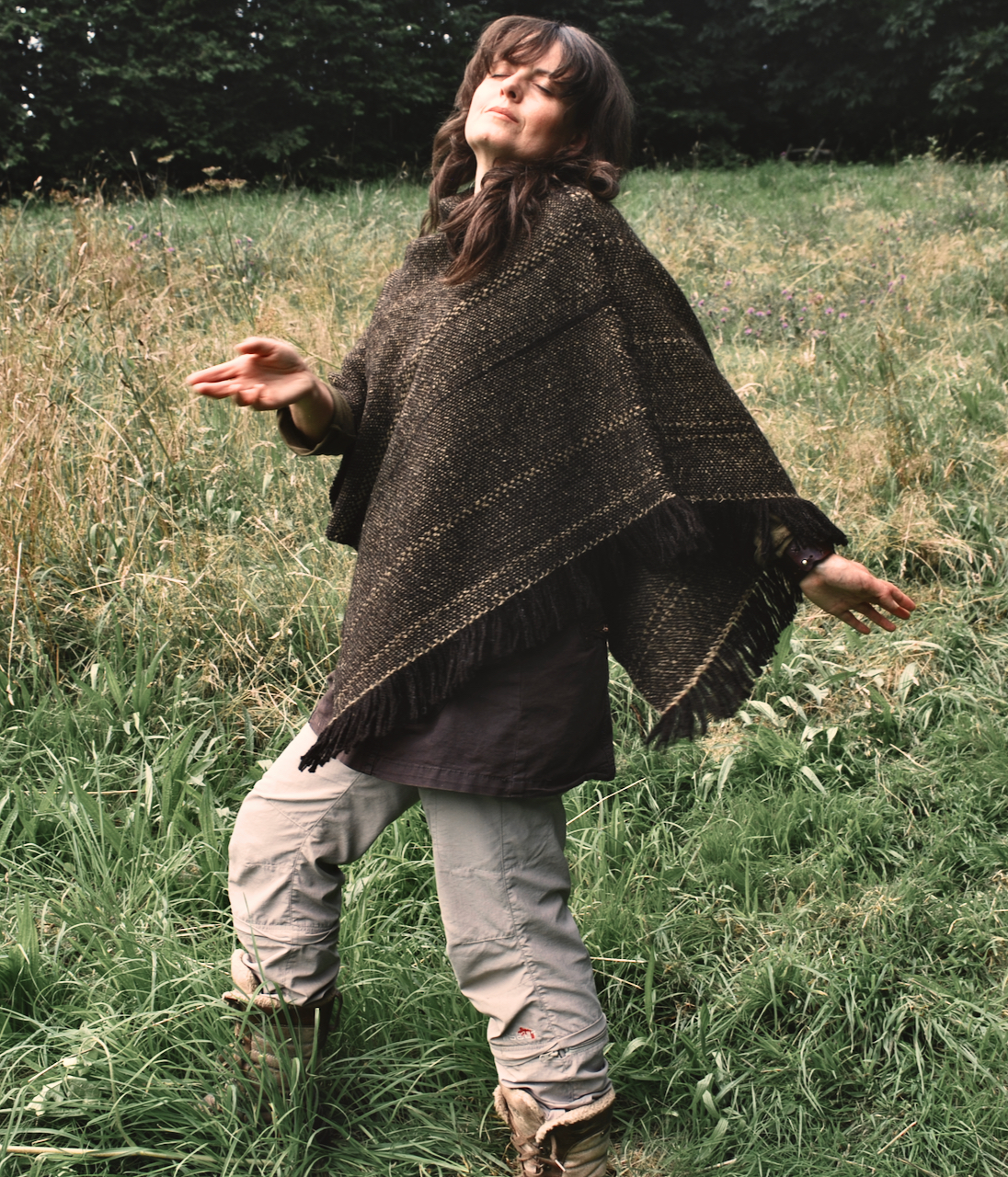
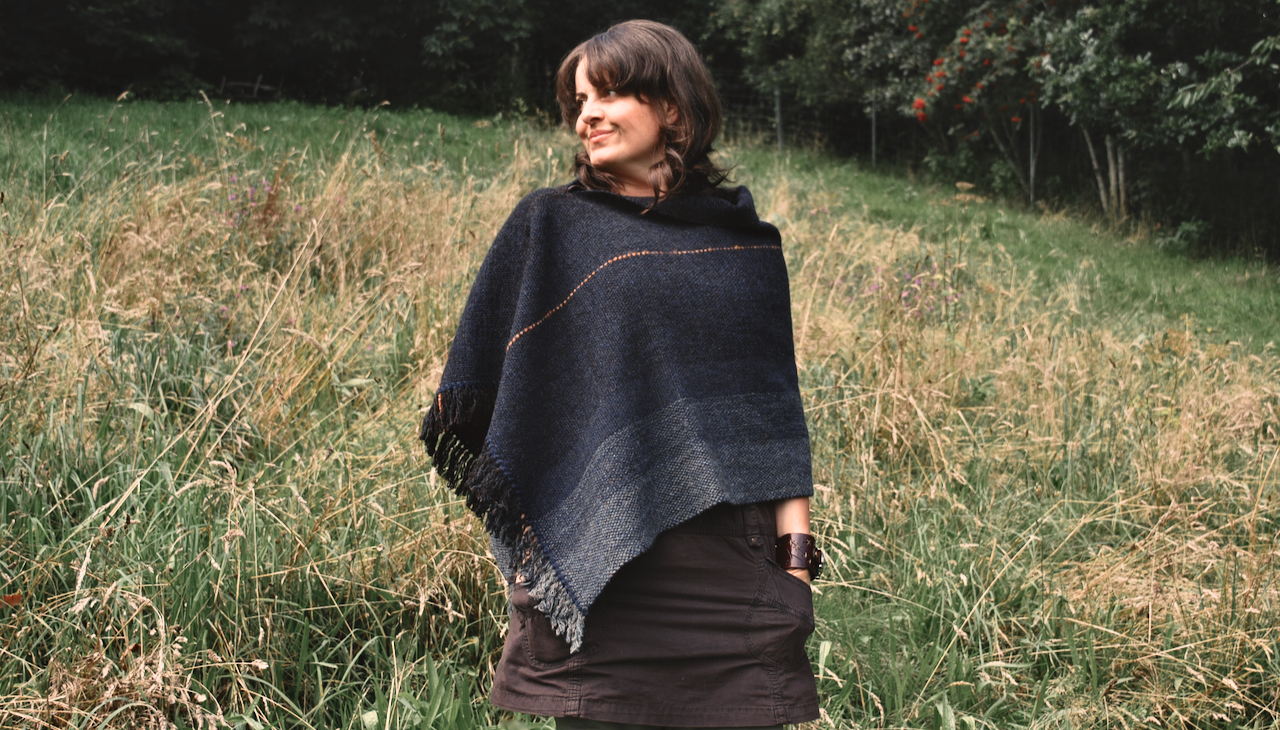
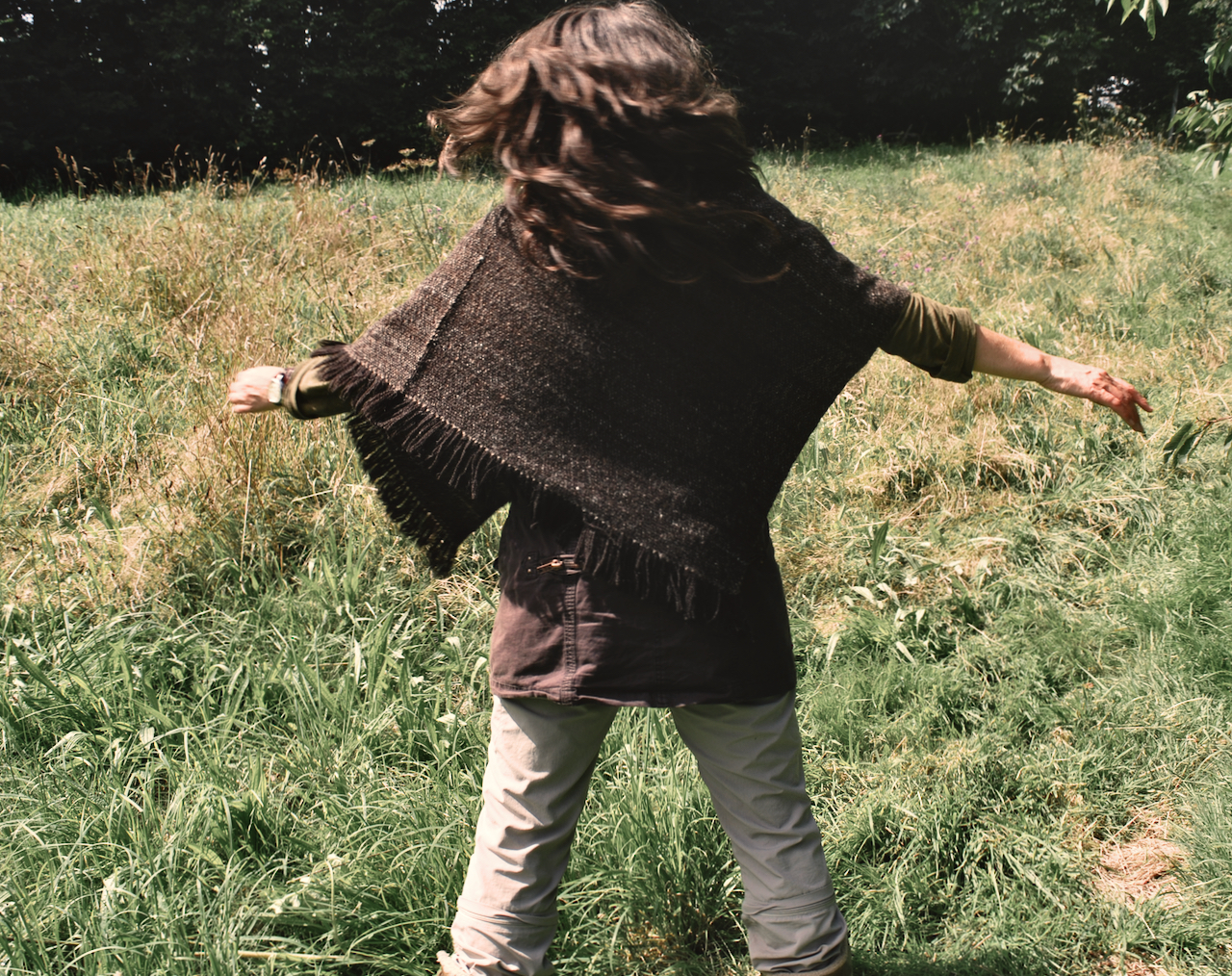
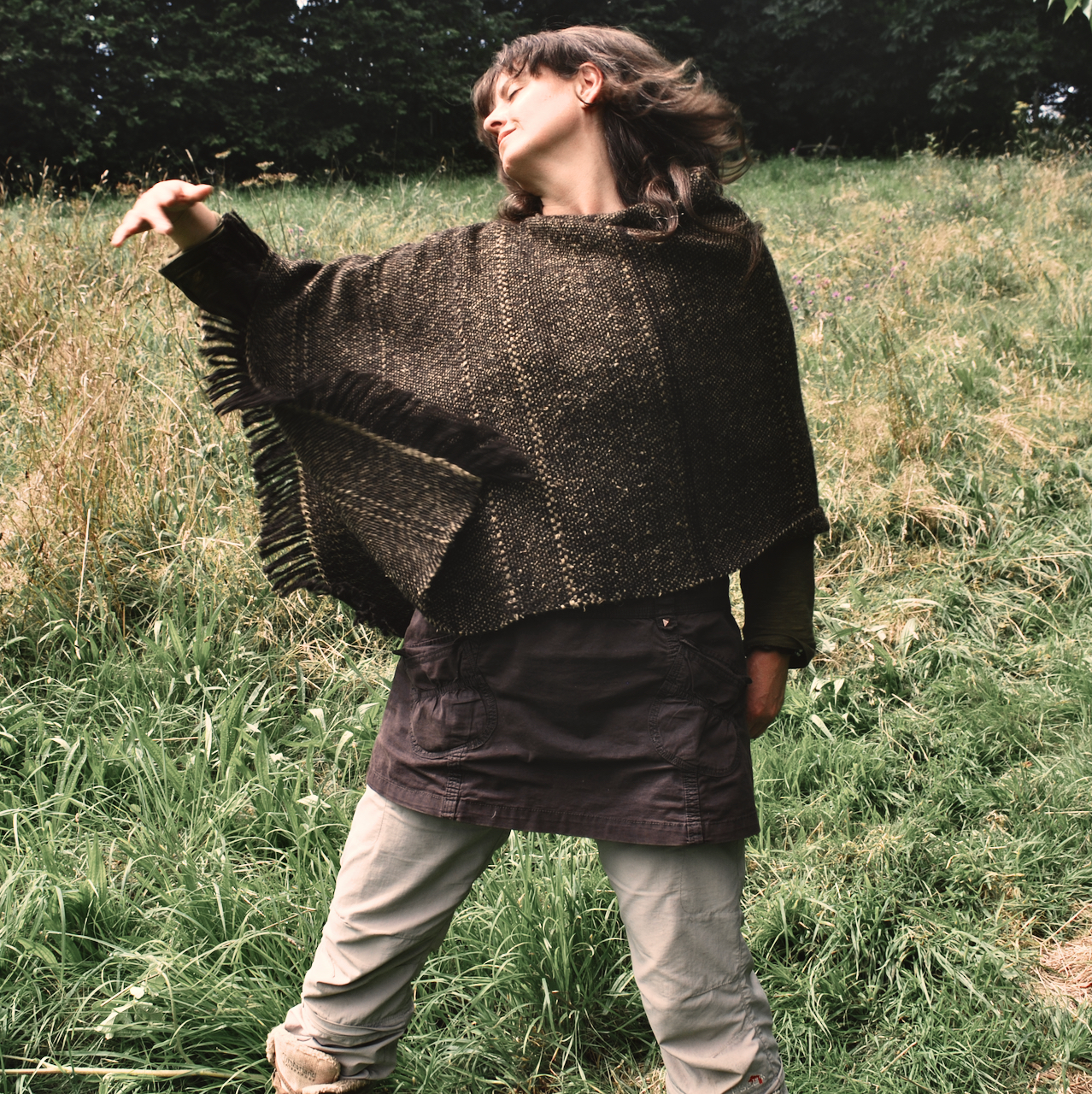
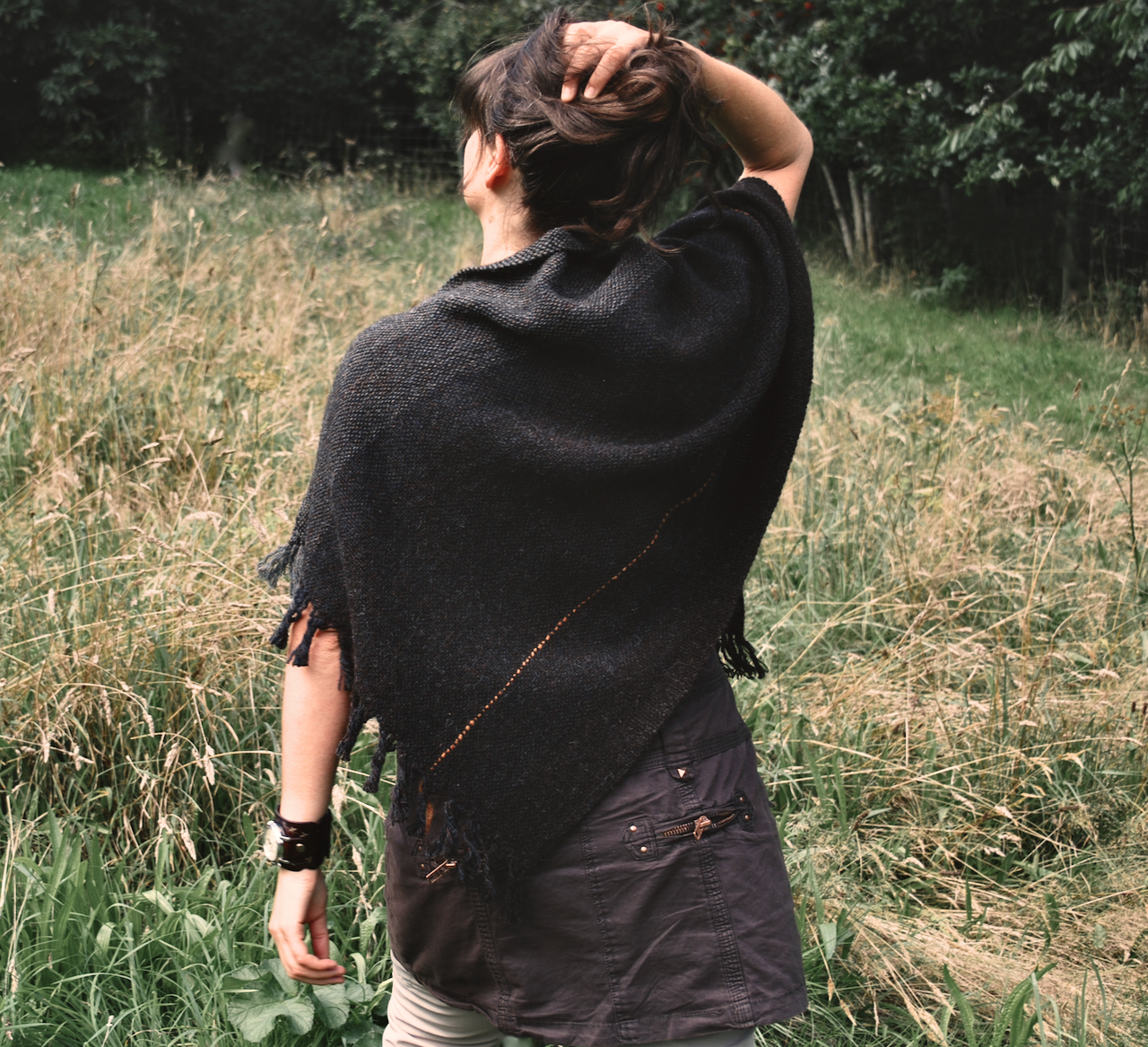
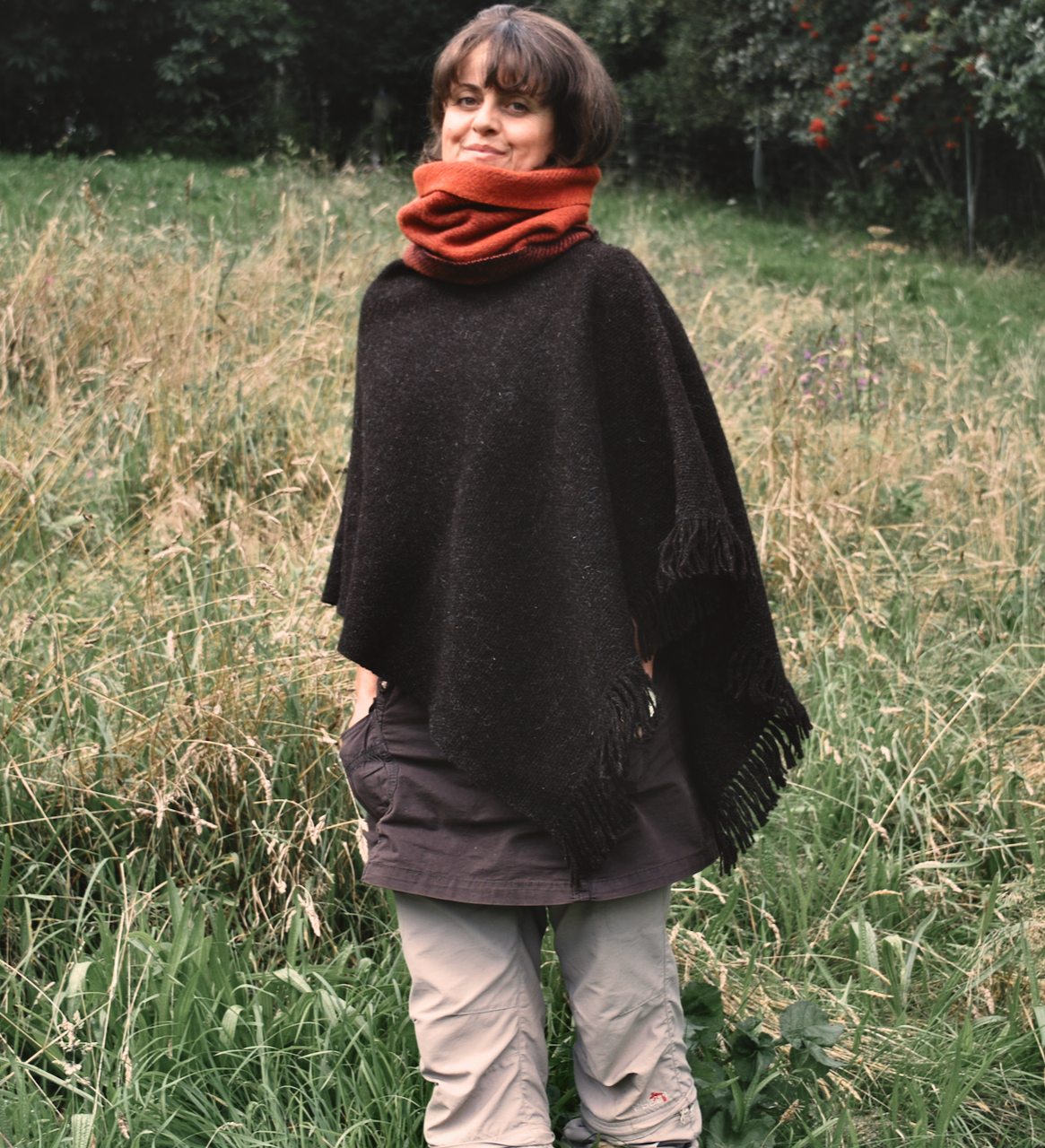
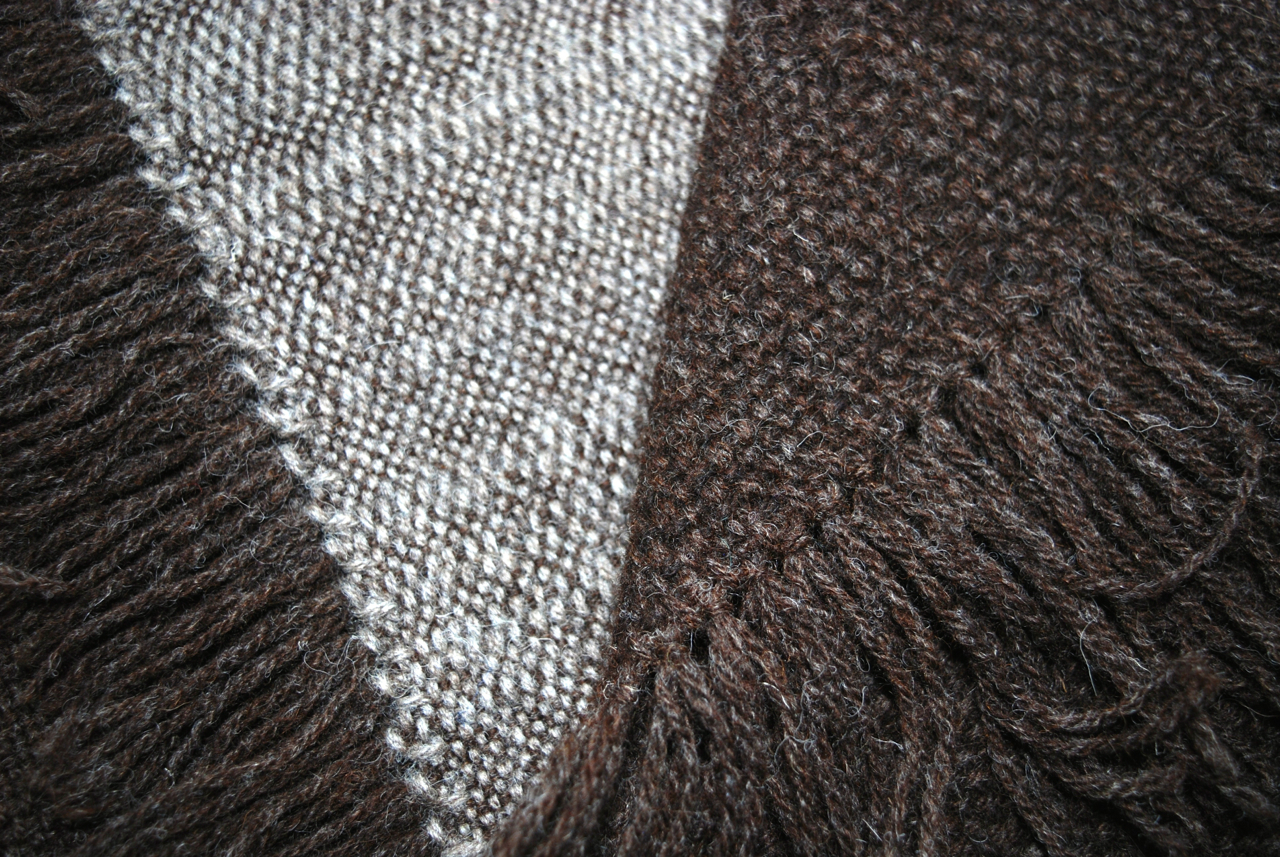
My forthcoming products will be labelled with my own star rating, and the first batch (ponchos) is the highest I can presently achieve at four and a half stars out of five. Here‘s the first one, and please follow my shop for nine more appearing in the next few days and weeks.
 These Isles