Reflecting, as ever, on how I can streamline my idiosyncratic craft business to make capitalist sense (an oxymoron), today’s conclusion is that the ‘chaotic’, reflexive way in which I run my business makes absolute sense for my personality, values and skills. (Too bad my personality, values and skills are running me into the ground! Er, in the face of a bullshit economics, that is. If you want to support me, visit my shop or my fundraiser. Or if you also need support, then please propose a trade.)
I’ve been thinking of making my living on a much-reduced range of far simpler, far more repetitious designs, mostly because the promotion I have to do this time of year exhausts me, and is completely inefficient: one day’s photoshoot to sell just £1500 worth of stock (compared to someone like Gudrun Sjoden, for example, who might do one week’s photoshoot for millions of pounds worth of stock designed by her and colleagues and made en masse by numerous factory workers on developing world wages). But I don’t want to be a fashion house, don’t want to scale up, and do make the most of my skills for These Isles: values, vision, design, craft, text and imagery.
Now that I’m mostly declining commissions, I’m managing to work a season ahead. So this summer, amid some upheaval, I mostly just wove, wove, wove. Which is kinda the easy bit really.
Now comes autumn and selling season begins in earnest. I can’t fully prepare in advance for this unless, like a fashion house, I work a year ahead of myself. Not only would that be a major feat of organisation, but I fear I’d lose some authenticity that way.
I think there’s something important in my work about helping people reconnect to the land (thanks to Kate Stuart for articulating this about me in your thoughtful interview backalong — see my Features page). To do that, I think I have to be there, in real time, to document the passing seasons: seasonal colours, like seasonal food. Which poses all sorts of challenges, like weaving spring colours when I feel like spring but it’s getting too warm to sell them in spring, and anyway, because it’s slow work, I’m probably photographing them too late to sell them at that time too.
Using only the most sustainable wool, undyed, would be such a relief! But you know me for my earthen rainbows: on that I’ve built my name.
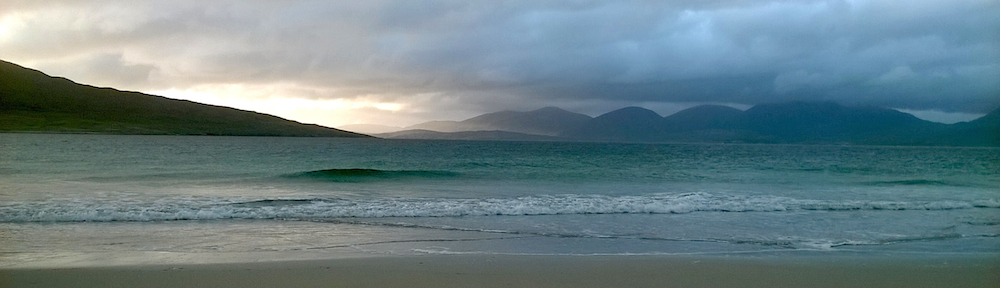
So this summer I wove various seasons depending on the weather and my mood. I anticipated launching the late summer blues first, but they are all wintry items, and it was simply too hot (and the sand dunes the wrong sort of burnt colour) to do the photoshoots, let alone list them for sale. So I made ponchos quick before the summer ended, as the lighter ones of these are good for summer’s eves.
Now it’s rainy and the overcast light is much better for portrait photography, and for wintry clothes and colours. But I’m incredibly stressed by housing, vehicles, finances and bureaucracy, and struggling to sleep, so hardly feeling strong or striking enough to pose in front of the camera and PROMOTE my wares with cool, confident shoulders and a relaxed gaze.
I’ve got some bright autumn colours to launch, but I may not be the right model for those even on a good day. And this colourway is particularly tricky, technically but also logistically: I want to be weaving them from immersion in those colours, again in real time, and photographing and listing them all within the same few weeks in which the forests are aglow. Actually I’m ahead of myself on making these ones, and am just waiting for the right photographic conditions. Here in the Celtic Crescent the oak and beech are beginning to turn first, but it’s still mostly green everywhere.
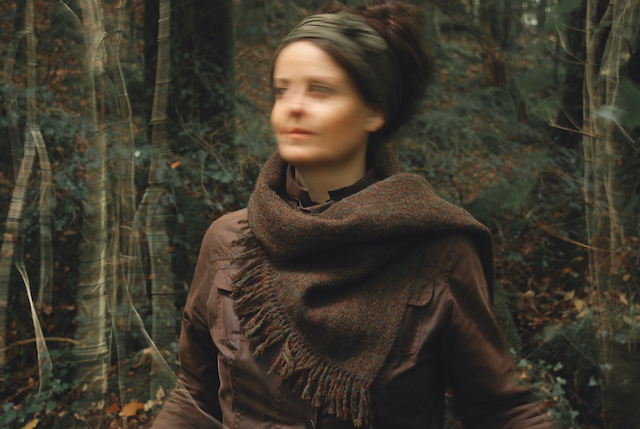
Meantime, a more sombre photoshoot for a batch I was going to launch a little later in the winter: ‘Forest Floor’. Because I’m in the mood for sombre, and though I didn’t have the time or chutzpah to whip up the mushroom-hunting, fairytale, steampunk image I had in mind, with the help of my second-hand Barbour today I think I managed to do Country worryingly well. (I am rural, after all, and – confession – obviously wear muddy wellies far more often than dangly tassles, despite the romantic photography.)
The forest floor here in Huelgoat’s Arthurian forest in Finistère is looking abundantly gorgeous, and the monument in the woods to those locals who resisted Nazi occupation fills me with admiration gratitude for partisans, resistors and romantics everywhere. Here’s to you.
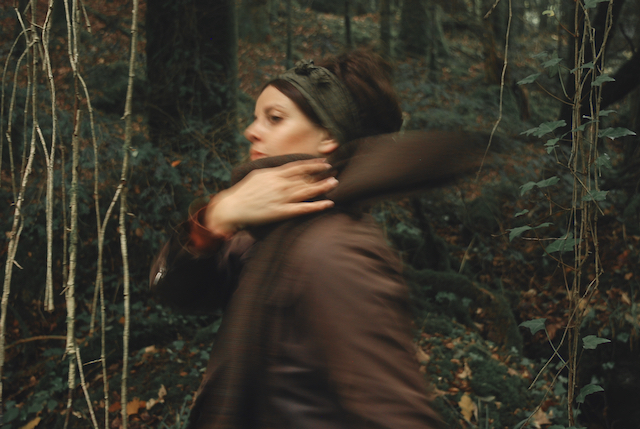
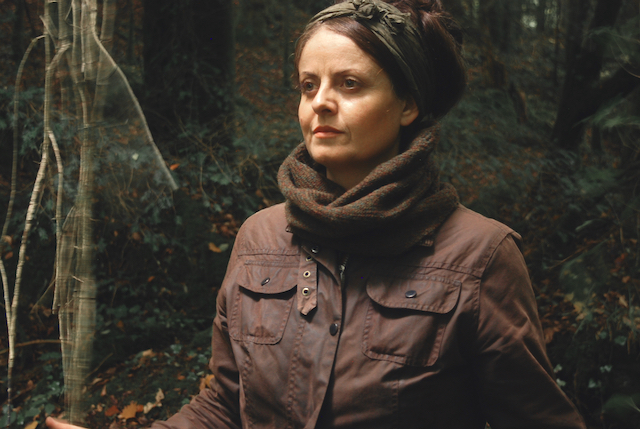
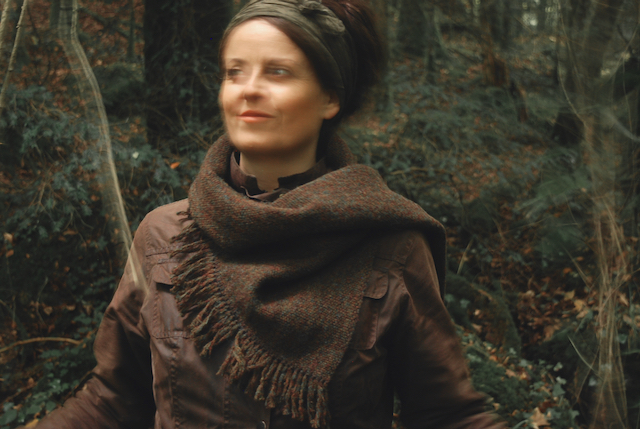
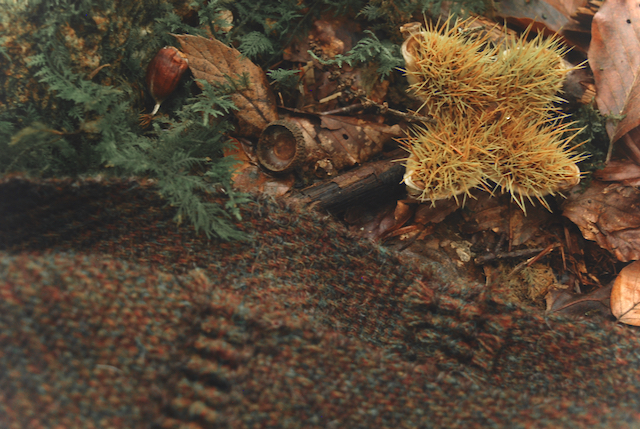
Two ‘Forest Floor’ cowls and one scarf design are for sale in my Etsy shop as of today. Sound, sensible and rustic.
More colourful batches coming soon.



 These Isles